
Due to a mistake in determining the tax levy rate increase for the city’s 2026 fiscal year, a $3 million discrepancy between projected expenses and revenues was identified by local leaders. Mayor Sisitsky outlined a proposed solution, which features increasing revenue estimations.
FRAMINGHAM - Framingham officials are working to address a mistake within the city’s 2026 fiscal year budget, as a miscalculation has resulted in the municipal revenue projection being $3 million short of projected expenses.
The error was pointed out during the City Council Finance Subcommittee’s meeting on Tuesday, November 25.
An operating budget for FY26 worth just short of $383 million was approved by local legislators back in June. The City Council later approved of the FY26 tax rates across Framingham last month.
During the process of developing those plans, At-Large City Council member George King said local legislators were under the impression that the increase to the local tax levy rate for FY26 was going to be 2.5%, the rate that he said Framingham leaders have been accustomed to seeing in recent years. In reality, King stated the budgeting calculation featured a 3.15% increase to the tax levy. Those calculations with the 3.15% tax rate increase in mind were then used in the process to determine the budget, which required approval from the state level.
During Tuesday’s meeting, King expressed worries about the credibility of the officials who determine these factors of local life.
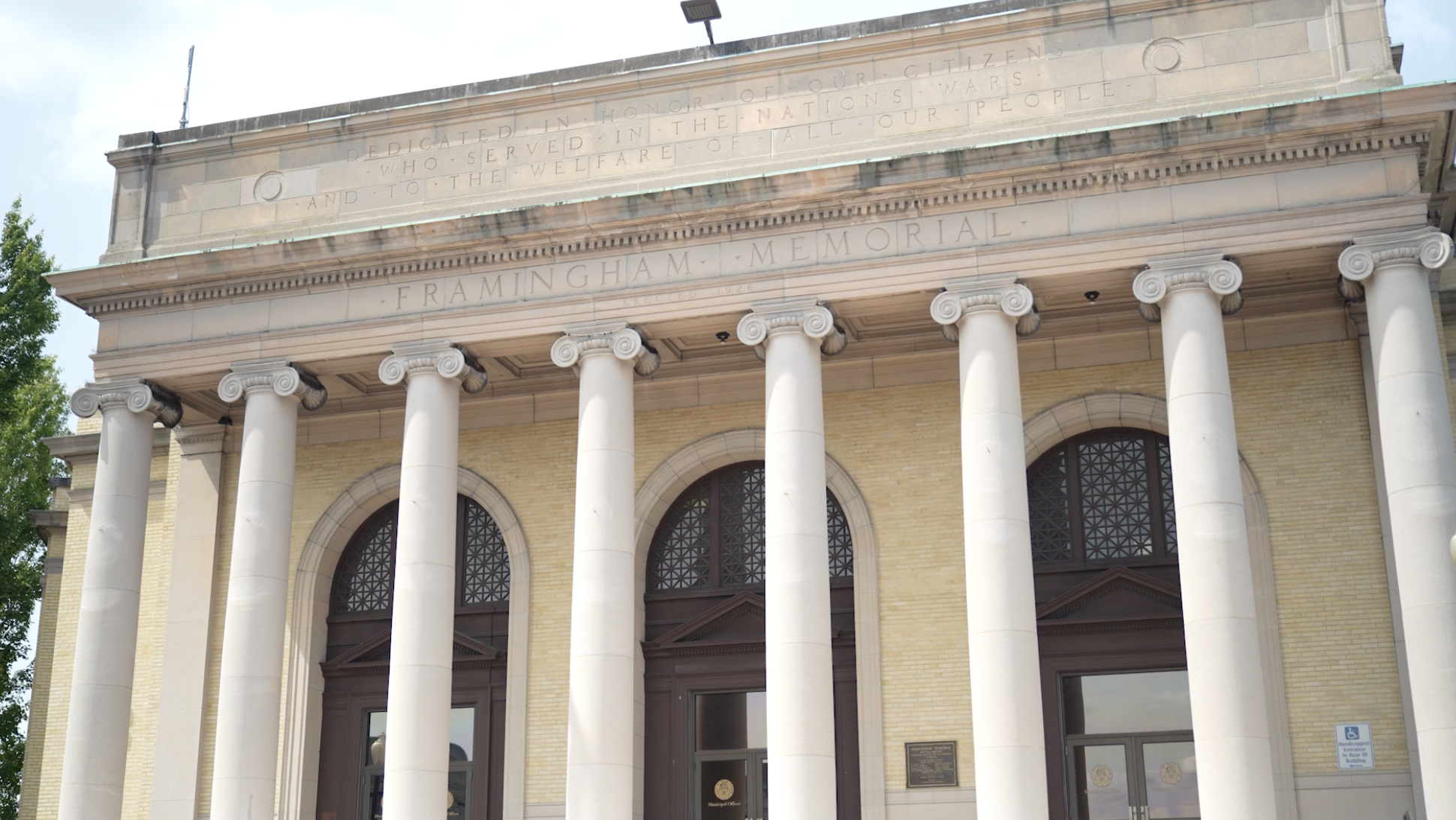
"What concerns me is that nobody noticed it going into the state that the levy was too high,” King said at the Memorial Building.
“It went through a lot of people--including us, in fairness, but I don't think it should be expected for us to have to have that level of scrutiny on the budget."
King pointed out on Tuesday that the same mistake in preparing the budget was also made leading up to the 2025 fiscal year, though the tax rate was not affected as a result since enough revenue was available to complete the budgeting process.
Mayor Charlie Sisitsky explained Framingham leaders have worked with the Massachusetts Department of Revenue in developing a plan to fix the error.
The proposal Sisitsky summarized on Tuesday calls for an increase to estimated local revenue projections for the 2026 fiscal year in order to avoid using any excess tax levy capacity. The proposed solution would maintain the same commercial, industrial, and personal tax shift of 1.69% that was approved by the City Council in November. Instead of paying $11.91 per $1,000 of appraised property value, residents would pay $11.83 through this pitch. Commercial property owners would pay $23.97 per $1,000 of appraised value compared to the previously-approved rate of $24.13.
"(The proposal would) result in an approximate reduction in the average tax bill of $54 for residential,” Sisitsky continued.
$1.6 million in local revenue is available to bridge the $3 million gap as well, according to Sisitsky, though King lamented that those same dollars couldn’t be used to further reduce the tax levy rate increase to somewhere below 2%.
"It further states to me that we do not have a good grip on the money we have and the money we're spending, and that's my concern,” King said.
District 4 City Councilor Michael Cannon questioned the validity of the proposal outlined by Sisitsky, adding that increasing revenue projections could be a “manufactured” solution. King did mention some sources of local revenue could initially have lower estimations while still gaining approval from the state compared to the money that is actually brought in on an annual basis.
The Finance Subcommittee will meet on Thursday, December 4, to continue deeper discussions on the matter and to recommend a path forward. The full City Council will then hold a special meeting on Tuesday, December 9, to analyze that recommendation and to hold a public hearing on the proposed revision to the tax rate.
Sisitsky explained time is of the essence; the situation has to be resolved quickly so that tax bills can go out by the end of the calendar year on schedule.

.avif)
.avif)
Following a community meeting on Monday, leaders on the project noted the first phase of construction into Framingham should hopefully begin in 2029.
With a 1.69% CIP shift—which was the same shift seen in FY25—residential taxpayers are slated to pay $11.91 per $1,000 of appraised property value. Commercial property owners would pay $24.13 per $1,000.
The work of local artists and independent filmmakers will be put on display during both days of the event, as attendees will also get the opportunity to learn and connect with each other.


